
Stitching Values Into Every Staff Uniform
When a school chooses a staff uniform, it's making more than a practical decision about fabric, fit and budget. It's making a statement about what the school stands for and who it's willing to stand behind. For schools that talk about integrity, community and social responsibility in their mission statements, the staff polo or sports jacket is an easy place for those values to show up.
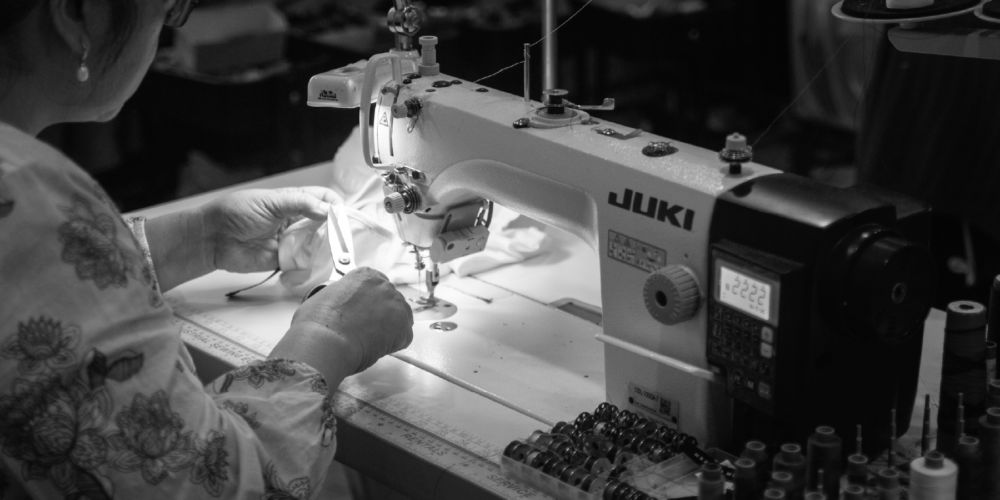
Every staff uniform was made by someone, somewhere. The question schools are increasingly being asked is whether that someone was paid fairly, worked in safe conditions and treated with dignity. For schools willing to look into their supply chain, ethically procured, Australian-made uniforms offer a rare win: high quality product, exceptional customer service and genuine value alignment.
A statement of values, not just a purchase
Schools spend a great deal of energy communicating their mission: respect, community, integrity. Staff uniforms are worn every day, by every teacher, in front of every student. They’re one of the most visible and repeated expressions of what a school stands for.
If a school teaches ethics, sustainability, or social justice in the classroom, but sources its staff uniforms from unaudited overseas supply chains with no visibility over labour conditions – there’s a gap between what’s taught and what’s practised. This gap matters. Closing that gap doesn’t require a grand gesture, it requires a procurement decision that reflects the same values already on the wall of every classroom.
Why ethical procurement matters
Ethical procurement is about more than compliance with the law. It means genuinely considering the people, processes and working conditions behind every garment before it’s purchased. This covers fair wages, safe workplaces and a supply chain that schools can actually trace – rather than one hidden behind several layers of subcontracting.
This is where Ethical Clothing Australia (ECA) accreditation becomes a useful, concrete benchmark for schools and uniform suppliers alike. Internationally recognised by the UN Special Rapporteur on contemporary forms of slavery, ECA was cited as a standout model for protecting vulnerable workers in the textile, clothing, and footwear industry. Additionally, research by the Australian Human Rights Institute last year found that our multistakeholder model – which engages the union at all levels of auditing and governance – is a global leader and clear differentiator when it comes to preventing exploitation and protecting workers’ rights.
Compliance isn’t just a tick-box exercise for us. ECA-accredited manufacturers undergo a third-party, in-person audit of their entire local supply chain to confirm compliance with Australian workplace laws. This audit covers wages, working hours and conditions for every worker involved in making the garment, not just those on the factory floor. For a busy school leader without the time or expertise to audit a supply chain personally, ECA accreditation does that verification work already.
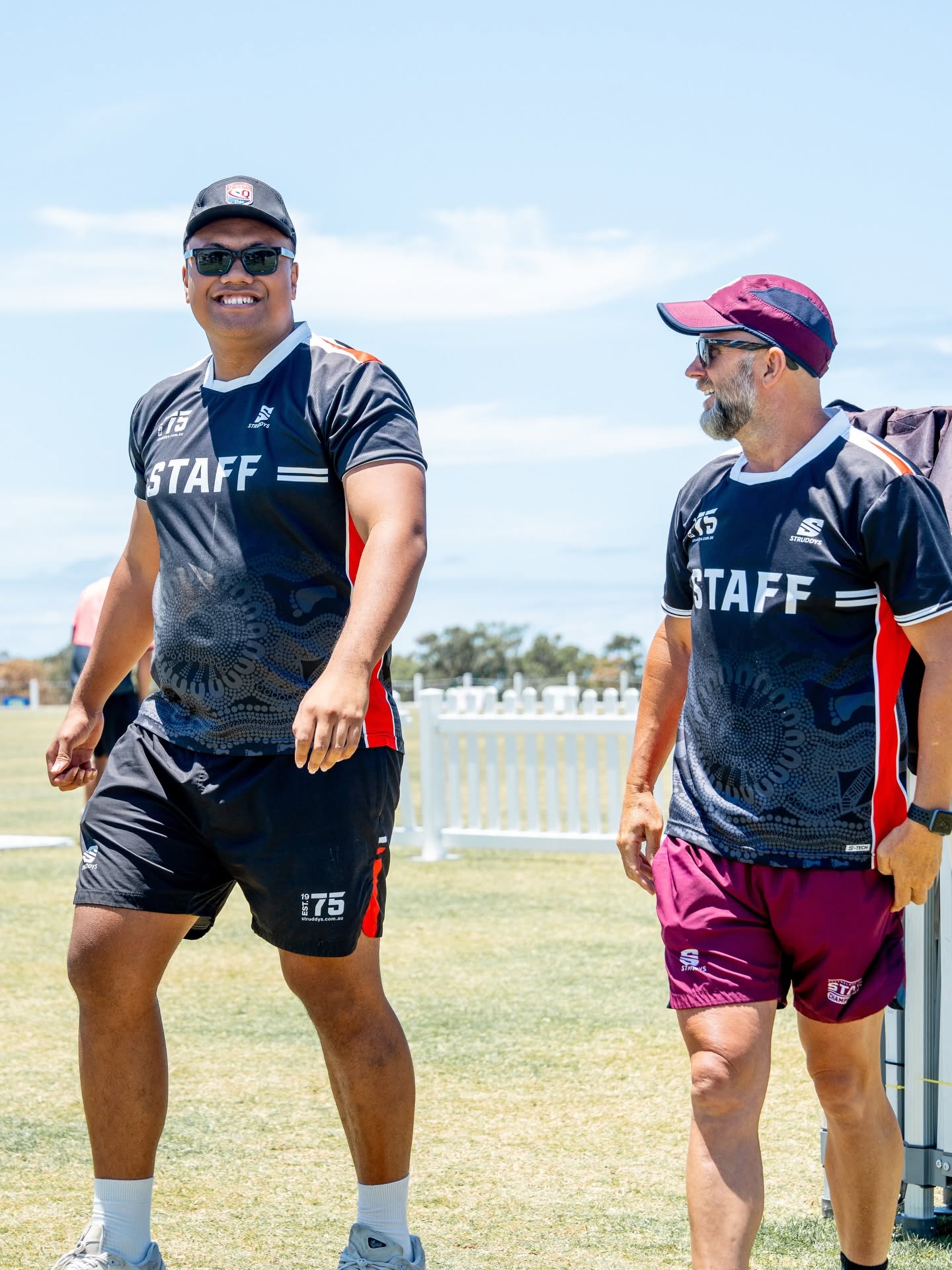
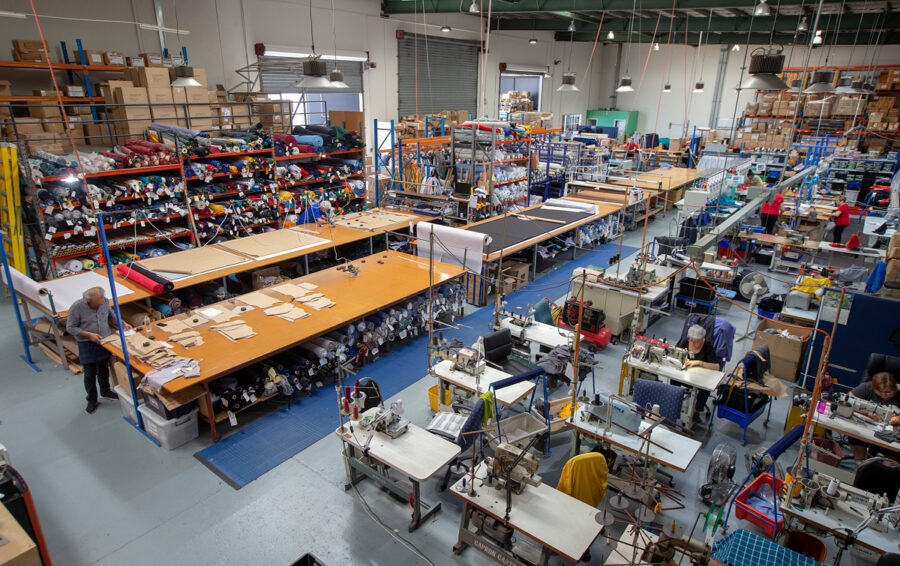
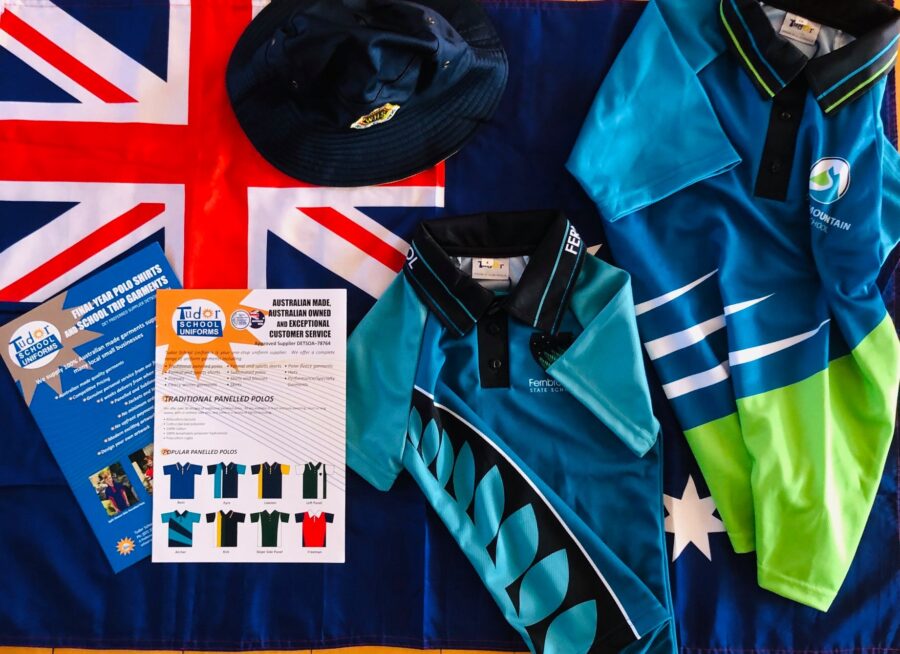
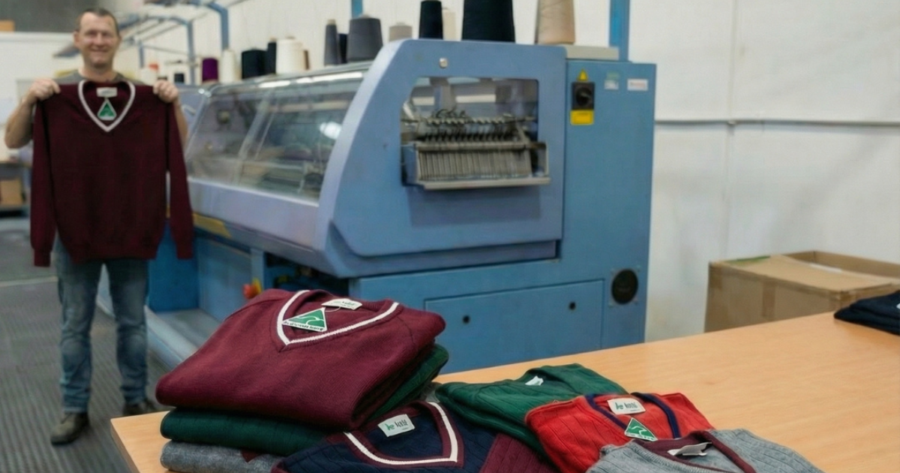
A number of Australian manufacturers hold this accreditation and specialise in school staff wear and value-adding services such as embroidery and printing. This includes businesses such as Bluegum, Struddys Apparel, Babylon Industries, Personalise This and Thread Traders. Choosing from this list gives schools a straightforward, defensible answer when anyone asks where the staff uniform actually comes from.
The practical case, alongside the ethical one
Supporting ethical, local manufacturing isn’t only a values-led decision, it comes with practical advantages too. Australian made garments are often produced with shorter lead times and smaller minimum order quantities than offshore alternatives. This is useful for schools needing quick turnarounds for new staff or mid-year size changes. Local manufacturers can also offer more responsive customisation, easier communication and quality control that’s simpler to verify than a supply chain spanning several countries and facilitators.
There’s also a broader economic dimension. Cheap offshore production is frequently underpinned by exploitative labour practices, placing real pressure on the Australian manufacturers who’ve made the harder, more expensive commitment to ethical, local production. Every school that chooses an ECA-accredited supplier is putting some of its purchasing power behind the survival of that local industry. This supports Australian workers and the future of the country’s textile, clothing and footwear sector.
Teachers as advocates: how staff can drive this conversation
Uniform decisions are usually made by business managers, principals or P&C committees. This is often without much visibility into where the current supplier actually sources garments. Teachers are in a strong position to raise this, precisely because they’re the ones wearing the uniform every day and modelling the school’s stated values to students.
A few ways staff can meaningfully advocate for change:
– Ask the principal or P&C committee. Approach decision-makers with the question, “Do we know if our staff uniforms are ethically made?”
– Bring evidence, not just opinion. Point them to the Ethical Clothing Australia manufacturer directory so they can see there are viable, accredited local suppliers already serving schools.
– Connect it to the school’s own documents. Many schools already have language about ethics, sustainability or community in their strategic plan or mission statement. Framing uniform procurement as fulfilling an existing commitment makes the case easier to act on.
– Use it as a teaching moment. Staff can model the same conversation with students: where do our clothes come from and why does that matter? A uniform with a known, ethical origin becomes a genuine, tangible example of values in action, not just a topic covered in a unit on sustainability.
– Suggest it becomes policy, not a one-off. A single ethical order is good; embedding a preference for ECA-accredited suppliers into future uniform tenders and supplier reviews makes the change durable beyond the current staff or committee.
Making it part of how the school buys, not just what it wears
The most effective schools treat this as a procurement standard, not a one-time swap. Building a preference for ECA–accredited suppliers into tender documents and supplier review criteria shapes every future uniform decision.
A staff uniform is a quiet, constant signal of what a school actually values – not just what it says it values. Choosing ethically made, Australian-manufactured uniforms is one of the more straightforward ways for a school to make sure those two things line up.
If you’d like to review current suppliers or find an accredited manufacturer, click here to view our directory of accredited businesses. To speak directly to our team or guidance on how to develop a formal ethical procurement policy, get in touch here.
Related articles
Explore more insights, updates and stories from across Australia’s ethical and local manufacturing industry.

Contact us to get accredited
Support local


Ethical Clothing Australia acknowledges the Traditional Custodians of Country throughout the lands now known as Australia and recognise and celebrate their connections to land, sea and community. We pay our respect to Elders past and present and extend that respect to all Aboriginal and Torres Strait Islander Peoples today.We are a place free from discrimination, where diversity is celebrated and everyone belongs. We are committed to creating a safe and welcoming space for all.