
Our Impact
Quick Links

ETHICAL CLOTHING AUSTRALIA’S IMPACT
ACCREDITATION PROGRAM AND WORKER ENGAGEMENT







VISIBILITY


Workers in the Industry
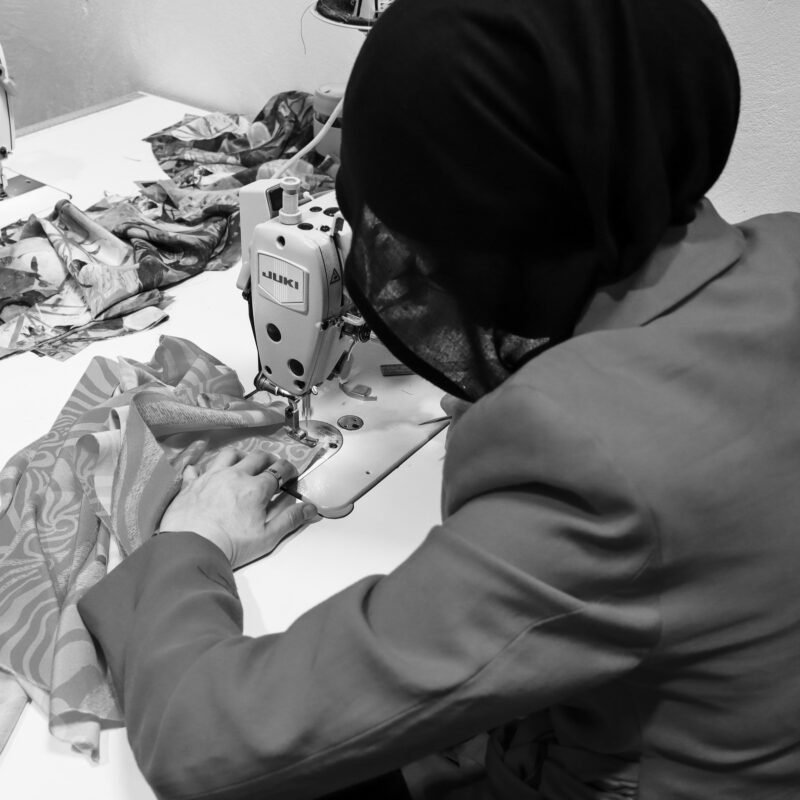
The Textile, Clothing, and Footwear Industry in Australia relies on a diverse workforce with a range of specialised skills. Workers can be employed in a variety of roles, including machinists who sew together garments; patternmakers who translate a sketch of a garment into pattern pieces; or a wide range of other technical, production and support positions. These workers might perform their role in a factory setting, or they might work from home as outworkers. Regardless of where work is performed, all workers have the same legal rights under the Textile, Clothing, Footwear and Associated Industries (TCFAI) Award 2020. Ensuring that all workers receive their lawful wages, entitlements, and workplace safety protections is critical to maintaining ethical and transparent supply chains.
-
An outworker, with about ten years of experience, was working for a local clothing business. She had limited access to transportation and spoke little English, so she relied on an intermediary to arrange her sewing work. She was paid on a piece-rate basis, and was paid per item rather than per hour. This practice is common overseas but is not allowed under the TCFAI Award. She had never received superannuation, paid leave, or any other entitlements required under the TCFAI Award.
An outwork outreach officer from the TCF Union met the outworker and spent time building the trust needed to understand her full working situation as part of our accreditation program. The officer provided guidance on her legal rights and entitlements as an outworker. They worked together to establish a lawful contract with her employer and ended the intermediary arrangement.
After this, the outworker started receiving a lawful wage, superannuation contributions, and paid annual and personal leave. She contacted the outwork outreach officer to share that she had been able to take paid sick leave for the very first time. Her case is a reminder of how isolated home-based outworkers can be, and how much of an impact outreach can make to someone in that working situation.
-
During an annual compliance audit of an Ethical Clothing Australia accredited business, the compliance team from the TCF Union found that a group of employees had been classified as casual workers but were being paid permanent part-time wages.
Under the TCFAI Award a casual employee works irregular or intermittent hours, while a part-time employee works regular hours. General part-time employees are paid according to one of six skill levels and get entitlements like paid annual and sick leave. Casual employees work irregular or intermittent hours and get an extra 25% on top of their part-time hourly rate as compensation for not receiving permanent employee benefits.
In this case, the workers were being paid the lower rate, not receiving the benefits of a permanent employee, and as a result their superannuation payments were lower than they should have been. This was a breach of the employment and superannuation obligations, which could result in a fine starting from $109,200 per underpayment for a business with fewer than 15 employees. Fines are much larger for bigger businesses and serious underpayments where the business was knowing or reckless.
Ethical Clothing Australia’s annual compliance audit includes a review of pay rates, classifications, entitlements, and workplace practices. This process is designed to catch compliance breaches like this one. In this case, the employees were each back paid for $900 in outstanding hourly wages, along with $108 in outstanding superannuation contributions.
This situation shows the audit process is working as intended. Reviewing classifications and pay rates isn’t just a compliance exercise – it directly protects workers’ entitlements and holds businesses accountable across the supply chain. The Ethical Clothing Australia accreditation also means that a business that has gone through the accreditation process can demonstrate their compliance with external parties such as consumers and procurers.
-
An outworker had been receiving regular sewing work from the same company for about four years. Over a six-month period, the amount of work gradually declined and eventually stopped altogether. When the worker asked for clarification about why this had happened, he was told that the company had engaged other workers and would no longer be providing him with sewing work. When this work was taken away without notice, the worker was put under significant financial stress, particularly given his longstanding working relationship with the company.
The outworker shared his concerns during a scheduled catch-up with a TCF Union outwork outreach officer. The officer met with the worker at his house to better understand the situation. During the meeting, the outworker provided invoices, delivery records, and other documents to assist the Union in reviewing the matter and determining the appropriate next steps.
After the meeting, the officer supported the worker to understand and exercise his rights, ensuring that their employment conditions were brought into line with the requirements of the TCFAI Award. The worker regained his work and now has regular hours of work.
Building trust and providing clear information about legal rights is essential to supporting outworkers. Through regular engagement and outreach activities, outworkers gain more confidence and understanding of their rights, as well as an awareness of where to seek support if issues arise. The worker expressed his thanks for the assistance provided by the TCF Union.
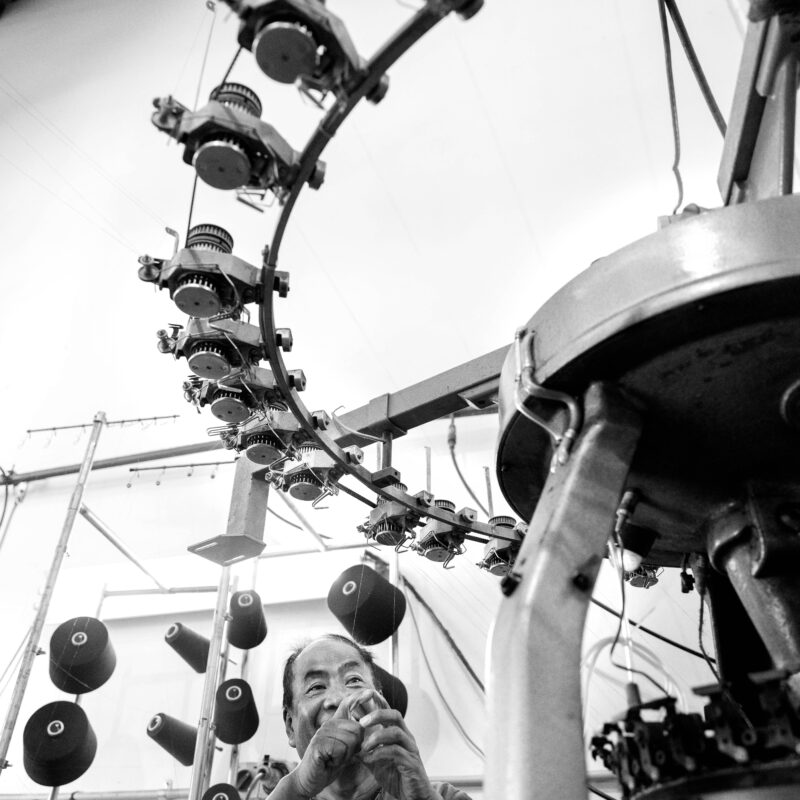
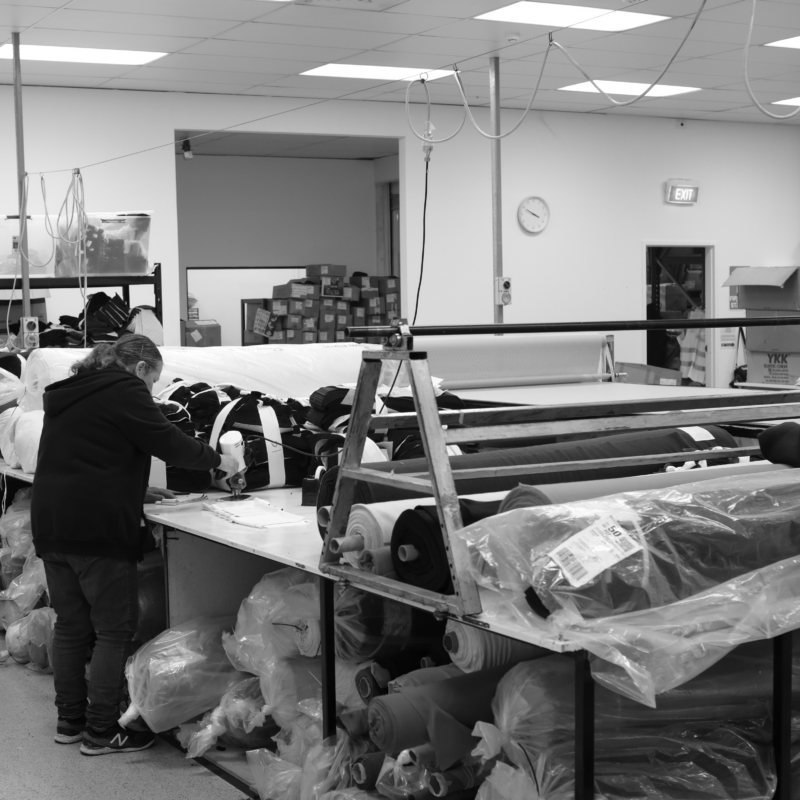
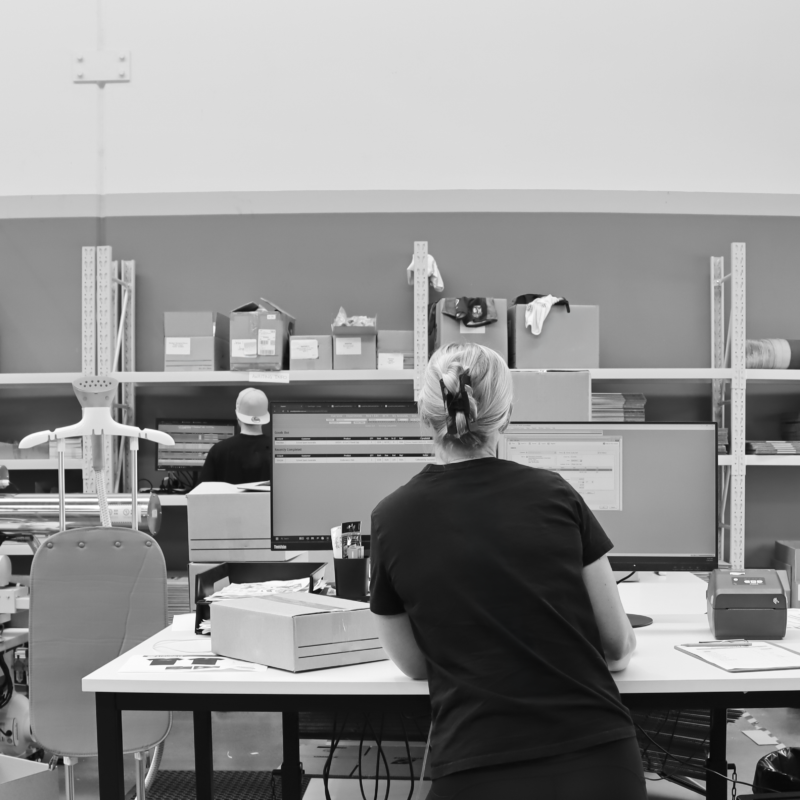
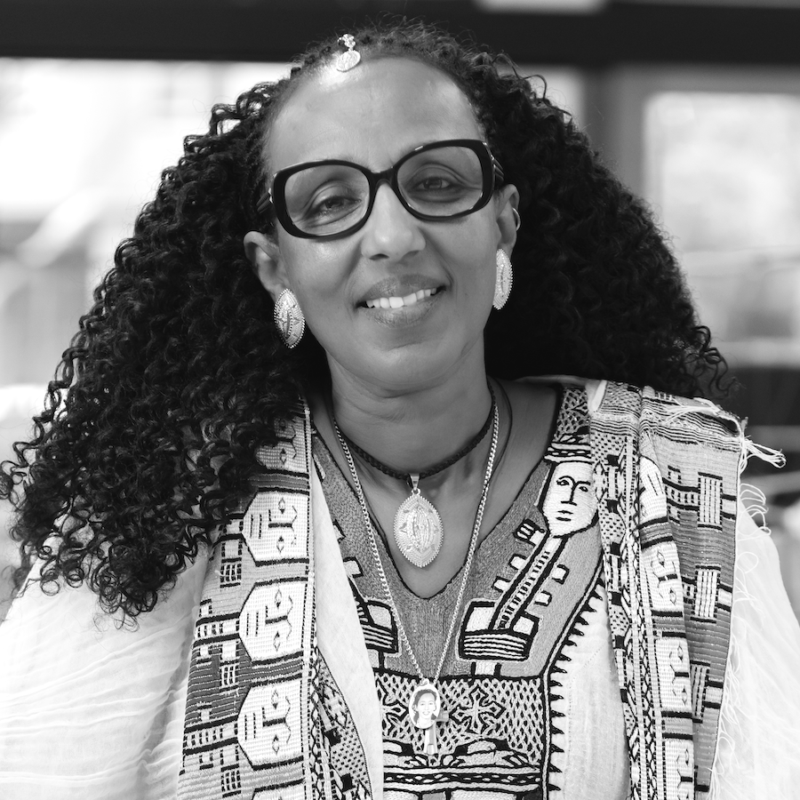
Images above are for illustrative purposes only and do not show the real people involved. Identifying details have been removed.
Download our latest Impact Report
A Material Difference: Ethical Clothing Australia’s Impact in 2025-26
Thu, 5 Nov, 11am – 11:30am AEDT
What difference can ethical accreditation make? Join Ethical Clothing Australia for an online presentation exploring our impact in 2025–26.
We will share key findings from our latest Impact Report, and look at how our work supports a more ethical Australian textile, clothing and footwear industry. We will also take the opportunity to introduce our new National Manager.
Discover the stories and outcomes behind the numbers and learn more about the difference ethical accreditation can make.
Support local


Ethical Clothing Australia acknowledges the Traditional Custodians of Country throughout the lands now known as Australia and recognise and celebrate their connections to land, sea and community. We pay our respect to Elders past and present and extend that respect to all Aboriginal and Torres Strait Islander Peoples today.We are a place free from discrimination, where diversity is celebrated and everyone belongs. We are committed to creating a safe and welcoming space for all.