
Six years out from the Brisbane Olympics, it’s time to ensure government buying power is driving ethical outcomes
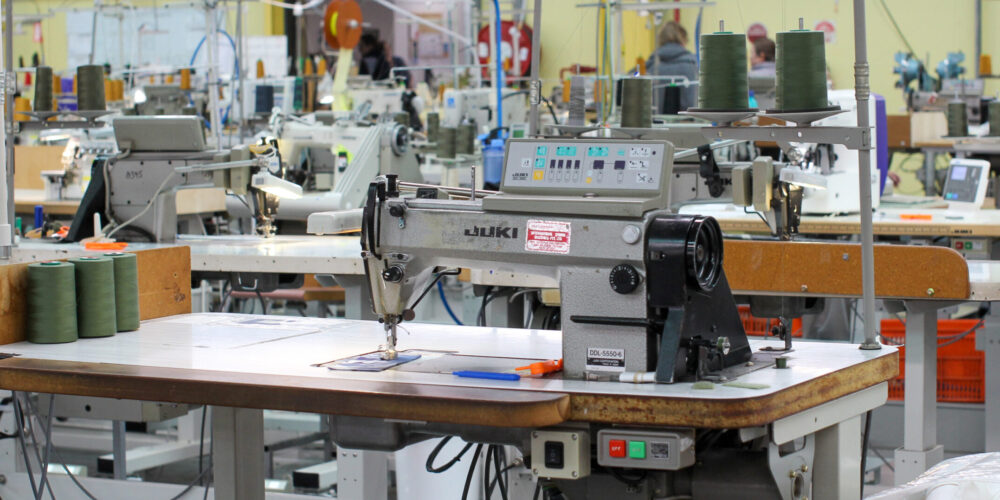
When it comes to ending modern slavery, procurement is a key piece of the puzzle. Earlier this year, the Queensland Government’s updated procurement policy came into effect. Policies around sourcing goods and services may seem about as interesting as watching paint dry for the average Australian, however, given that $35 billion of Queensland taxpayers’ money is spent on procurement annually, we must pay attention to what is guiding decisions around how this money is spent.
When it comes to ending modern slavery, procurement is a key piece of the puzzle. Earlier this year, the Queensland Government’s updated procurement policy came into effect. Policies around sourcing goods and services may seem about as interesting as watching paint dry for the average Australian, however, given that $35 billion of Queensland taxpayers’ money is spent on procurement annually, we must pay attention to what is guiding decisions around how this money is spent.
Recent updates to the policy means the Ethical Supplier Mandate and Ethical Supplier Threshold are no longer mandatory. It appears that good behaviour is now encouraged but not enforced. We would like to see greater clarity around what kind of checks, thresholds for action or escalation processes will be undertaken. Incentivising good behaviour is welcomed, especially for high-risk industries like clothing manufacturing, it is critical that this is underpinned by verified rigorous compliance. On their own, incentives cannot address and expose exploitation in hard-to-reach areas that are synonymous with the textile, clothing and footwear (TCF) industry.
We are just over 6 years away from Queensland hosting the Olympic and Paralympic Games, which are predicted to bring more than $70 billion in economic opportunity for the local economy. It is critical that we take the time now to get procurement right, if we want to realise the full benefit of this investment. This means not just benefits flowing to the community, but preventing the exploitation we have seen taking place at other games.
Due to our strong workplace laws here in Australia, many people assume that exploitation is not an issue. As the updated policy highlights, the TCF industry is vulnerable to modern slavery. This is not news to us at Ethical Clothing Australia, who know all too well that the industry’s workforce continues to include outworkers who conduct their work outside of a factory or formal work environment, usually in their home. Many of these workers are migrant women, where English is often an additional language, making it more challenging for workers to understand their rights enshrined in Australian laws. Sadly, some may be working for as little as $10 an hour and missing out on entitlements such as superannuation and paid leave. This type of exploitation continues to persist right here in Australia, and we won’t see substantive change unless policies actively address it. Under the new policy, addressing modern slavery is now a behavioural expectation in the Supplier Code of Conduct and the dedicated guide for eliminating modern slavery has been removed.
It is critical that we take the time now to get procurement right, if we want to realise the full benefit of this investment.
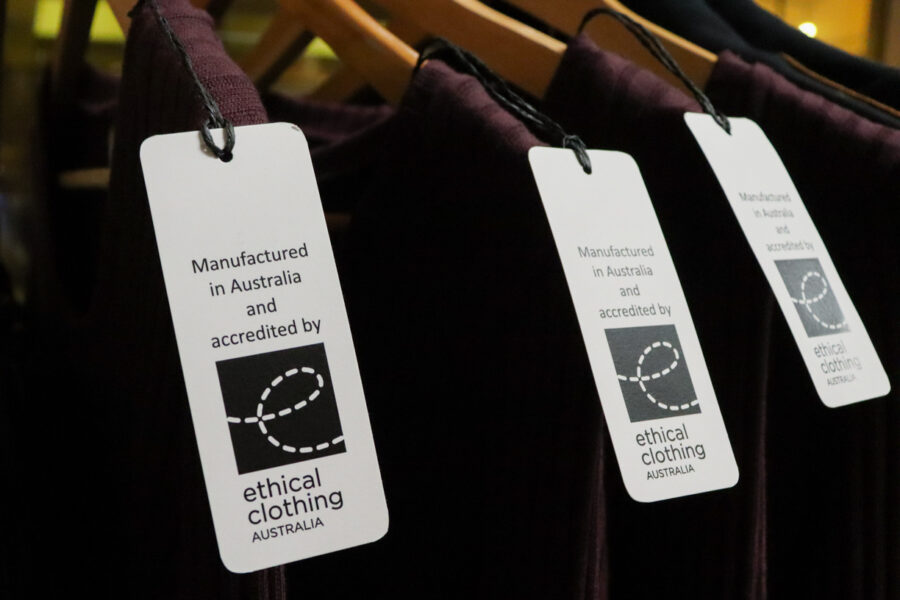
We would like to see this type of exploitation prevented by actively prioritising suppliers who are committed to ethical and transparent business practices and who can prove their entire supply chain is free from exploitation. Ethical Clothing Australia has been working hard for more than 25 years to develop and deliver a model that enables Australian TCF businesses to confidently demonstrate that they are doing just this. Through our accreditation scheme, they can certify that their local supply chain is compliant, ethical and transparent from design to dispatch.
Don’t just take our word for it. In the last year alone, our program was endorsed by the UN Special Rapporteur on contemporary forms of slavery, as well as the Australian Human Rights Institute. In both instances, the proactive involvement of workers as well as a focus on multi-stakeholder initiatives were seen as key ingredients in upholding worker rights and preventing exploitation.
As we head towards 2032 and beyond, it is critical that the Queensland Government sets a benchmark in line with community expectations and global standards which actively requires proactive accreditation through organisations like ours. These changes appear to shift responsibility from government agencies to suppliers and move away from a prevention-focused approach. Given it is Queenslanders’ money being spent, it is only right that they expect it to do no harm while delivering benefits for the community. Let’s build on these strong foundations and set a standard that the whole country can follow.
Related articles
Explore more insights, updates and stories from across Australia’s ethical and local manufacturing industry.



Contact us to get accredited
Support local


Ethical Clothing Australia acknowledges the Traditional Custodians of Country throughout the lands now known as Australia and recognise and celebrate their connections to land, sea and community. We pay our respect to Elders past and present and extend that respect to all Aboriginal and Torres Strait Islander Peoples today.We are a place free from discrimination, where diversity is celebrated and everyone belongs. We are committed to creating a safe and welcoming space for all.