
A Q&A with Melissa from Buckle
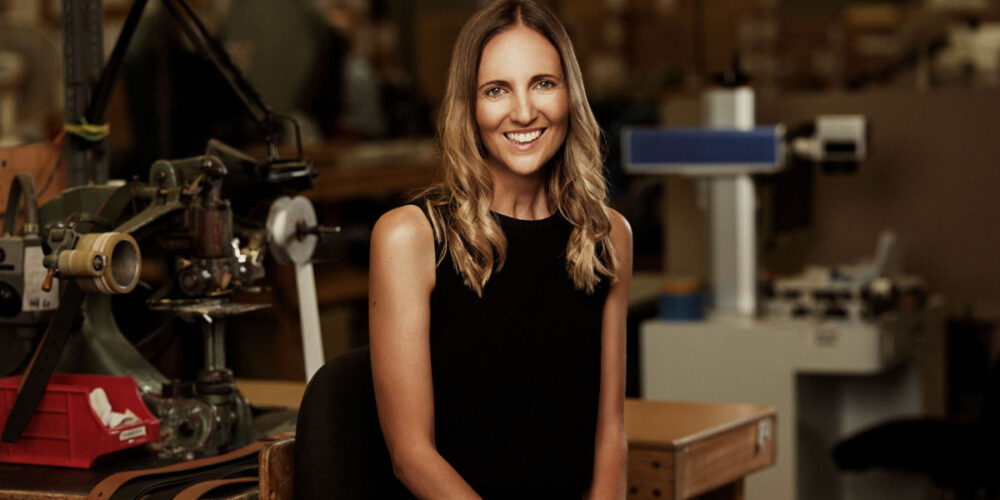
Melissa Gibson, Director of Sydney-based Buckle, shares how the Australian accessories manufacturer has been handcrafting premium leather belts and traditional braces from its Sydney workshop since 1922. She also highlights the values behind more than a century of local manufacturing, the importance of craftsmanship and private label partnerships, and why Ethical Clothing Australia accreditation reinforces Buckle’s commitment to transparency, fair wages and responsible manufacturing.
Hi Melissa! To start, could you tell us a little about yourself and your journey with Buckle?
I’m based in Sydney and work with the team at Buckle, a proud Australian accessories manufacturer with more than a century of history.
What drew me to Buckle was the opportunity to be part of a business that values heritage, craftsmanship and Australian manufacturing. I began my career with Buckle in 2008 and alongside Warren Sanders, later undertook a management buyout in 2014.
I grew up in a family where things were made, repurposed or repaired rather than simply thrown away when they stopped working or were no longer needed.
- Melissa Gibson | Director of Buckle
For readers discovering Buckle for the first time, how would you describe the business and what you make?
We are an Australian accessories manufacturer that has been operating since 1922. We handcraft from our Sydney workshop premium leather belts and traditional braces. Our products are known for their durability, quality, timeless design and attention to detail.
Our Buckle products are stocked by major retailers such as Myer, David Jones and The Iconic, as well as independent stores across Australia and internationally.
In addition to our own Buckle range, we also work with a number of well-known Australian and international brands to design and manufacture accessories, via private label arrangements, for their collections.
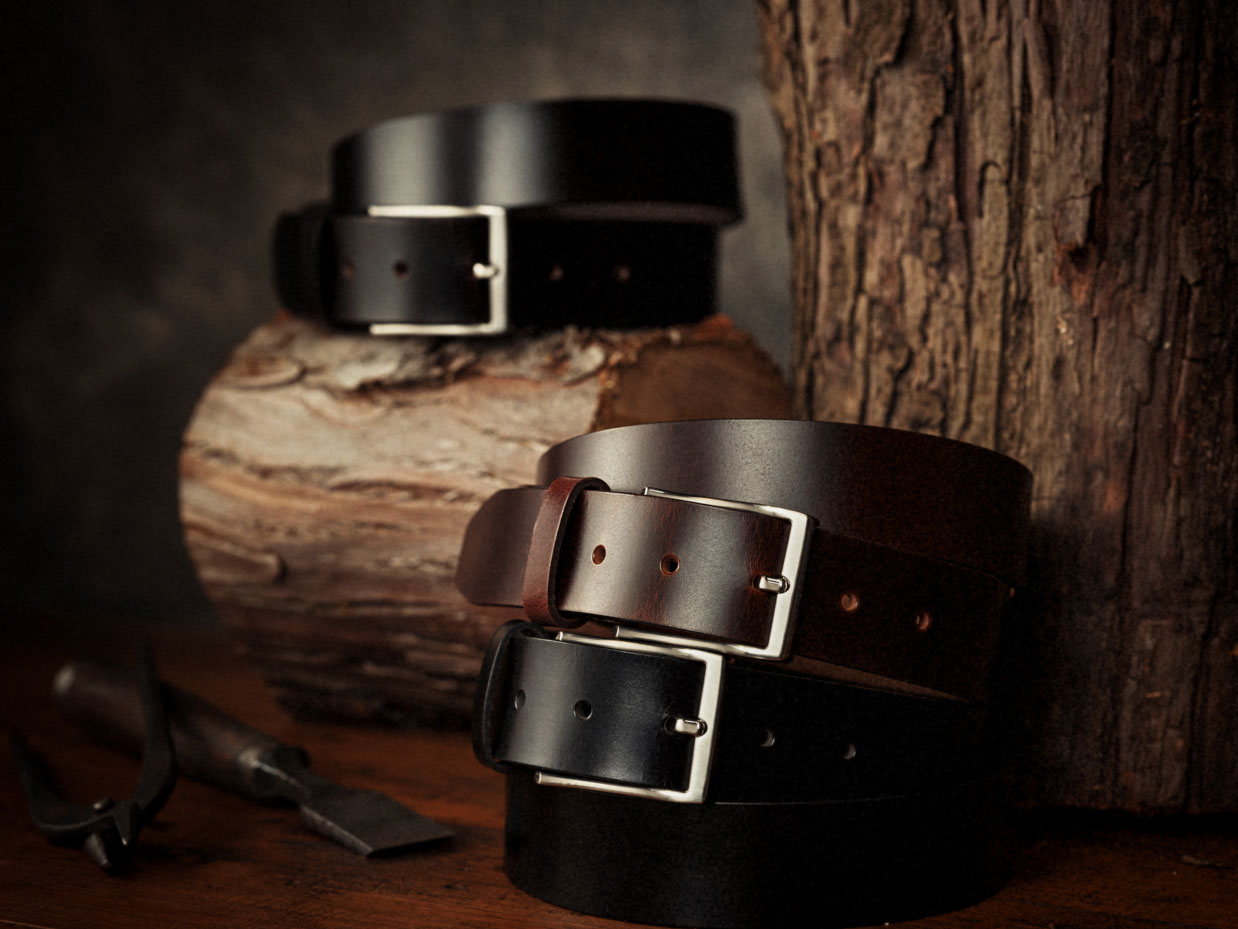
Manufacturing locally is central to who we are as a business.
- Melissa Gibson | Director of Buckle
You’ve spoken about being drawn to making and craftsmanship, but what first sparked your interest in the textile, clothing and fashion industry more broadly?
I’ve always found manufacturing fascinating. Although I started my career outside of the TCF sector, it was with a company that offered local manufacturing, which really sparked my interest in how products are made.
I grew up in a family where things were made, repurposed or repaired rather than simply thrown away when they stopped working or were no longer needed. It’s a mindset I’ve always appreciated and one that has stayed with me. In fact, my parents gifted me a sewing machine for my 21st birthday (yes, a long time ago…), and those same values and skills around making and fixing things, whether textile-based or not, are something I share within my own family.
I’m naturally drawn to industries that combine creativity with craftsmanship. The textile and fashion industry is unique in that it brings together design, materials and skilled manufacturing to create products people use and appreciate every day.
That appreciation for making really comes through in Buckle’s story. Why has it remained so important for the business to continue manufacturing locally and ethically in Australia?
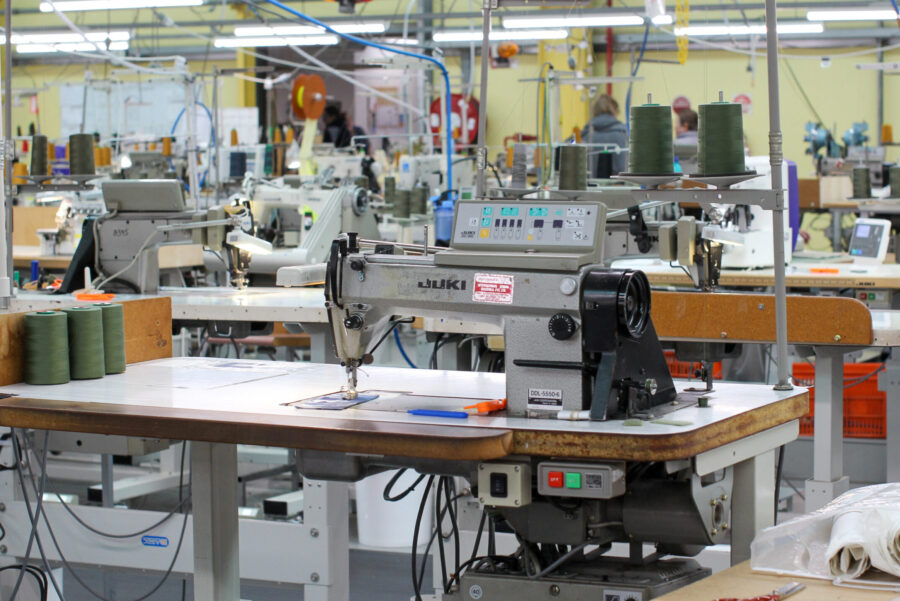
Manufacturing locally is central to who we are as a business. Buckle has been making accessories in Australia for over 100 years. Producing in Australia allows us to maintain high standards of quality, support skilled jobs and keep traditional leatherworking techniques alive.
Producing in Australia allows us to maintain high standards of quality, support skilled jobs and keep traditional leatherworking techniques alive.
- Melissa Gibson | Director of Buckle
Local manufacturing can come with its challenges. What is one challenge you’ve faced in your role or in the business, and how have you worked through it?
Producing in Australia can come with higher costs, but we see it as a long-term investment in quality and sustainability.
We address this by focusing on craftsmanship, efficiency and strong relationships with our retail partners and suppliers. By staying true to our values and producing products that customers trust for their quality and longevity, we’ve been able to continue growing while keeping our manufacturing here in Australia.
Looking back, what’s a milestone or achievement that stands out as especially meaningful to you and the Buckle team?
One of the milestones we’re most proud of is reaching more than 100 years of continuous Australian manufacturing. Very few brands have maintained local production for that long, and it’s a testament to the dedication of the generations of craftspeople who have worked with Buckle.
Equally as important is seeing our accessories worn by customers across Australia, and stocked by major retailers as well as independent stores. This is something we’re incredibly proud of, because it reflects the trust people place in our craftsmanship and heritage.
Being accredited with Ethical Clothing Australia is incredibly important to us. It ensures our workers are paid fairly and work in safe conditions.
- Melissa Gibson | Director of Buckle
Buckle has been accredited with Ethical Clothing Australia since 2021. What has that accreditation meant to you personally, and what does it represent for the business and your customers?
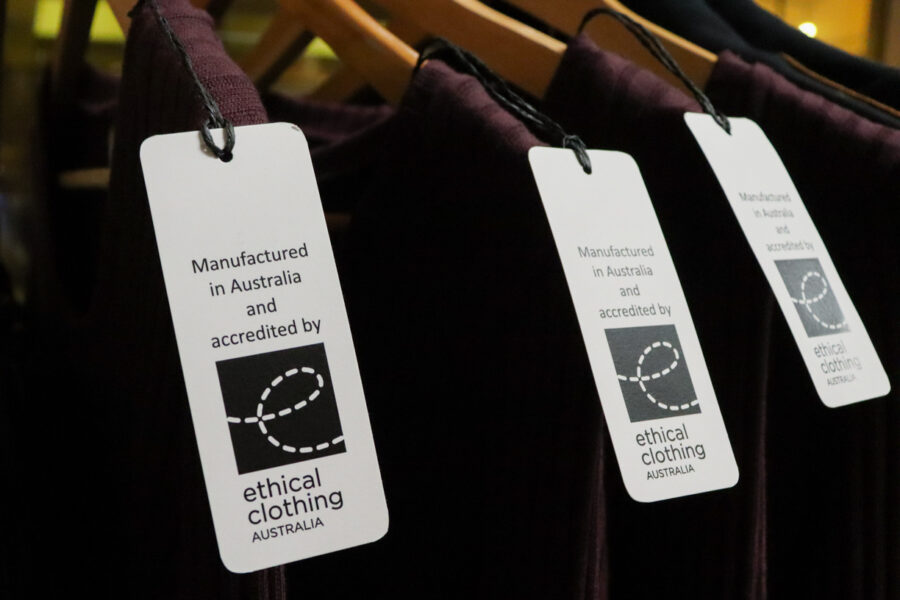
Being accredited with Ethical Clothing Australia is incredibly important to us. The accreditation provides confidence to our customers. It ensures our supply chain and manufacturing processes have been independently verified: our workers are paid fairly and work in safe conditions.
For us, it reinforces the values we’ve always believed in; transparency, fairness and responsible manufacturing. It also gives our customers confidence that when they purchase a Buckle product, they’re supporting ethical production and Australian manufacturing.
To learn more about Buckle, visit their manufacturer and brand directory listings as well as their website.
Related articles
Explore more insights, updates and stories from across Australia’s ethical and local manufacturing industry.
Contact us to get accredited
Support local


Ethical Clothing Australia acknowledges the Traditional Custodians of Country throughout the lands now known as Australia and recognise and celebrate their connections to land, sea and community. We pay our respect to Elders past and present and extend that respect to all Aboriginal and Torres Strait Islander Peoples today.We are a place free from discrimination, where diversity is celebrated and everyone belongs. We are committed to creating a safe and welcoming space for all.