
Uniforms, workwear and PPE you can actually defend
Textile, clothing and footwear is one of the highest modern slavery risk categories you buy and one of the smallest lines in your budget. Ethical Clothing Australia accreditation does the due diligence work for you: independent, on-the-ground audits of Australian supply chains, renewed every 12 months.
Quick Links

"Locally Made" doesn't always mean "ethically made."
Australia’s textile, clothing and footwear industry is a genuine local success story and it carries the same structural risks as the industry globally: complex, layered supply chains, subcontracting you can’t see, and a workforce that is highly vulnerable to exploitation.
Outworkers, predominantly women working from home in isolation, are the hardest part of the chain to see, and the easiest to exploit. A supplier’s Australian address tells you nothing about who sewed the garment, or what they were paid.
Unless somebody has been on the floor, the burden of proof sits with your procurement team.
The policy floor is rising underneath you
Ethical TCF procurement has moved from “nice to have” to written policy in multiple jurisdictions and Commonwealth reform is heading from reporting toward mandatory due diligence.
-
Guide to procuring uniforms and PPE — Ethical Supplier Register
Since 2018, Victorian government buyers must procure locally manufactured uniforms and PPE wherever possible, and TCF suppliers bidding for tenders must be accredited by — or seeking accreditation with — Ethical Clothing Australia, and maintain it for the life of the contract. The Ethical Supplier Register is the first point of call for buyers. Any accredited business Australia-wide can bid.
-
Eliminating modern slavery in government supply chains
Queensland Government Procurement identifies TCF as a high-risk category and provides officers with planning questions, sample contract clauses, a supplier self-assessment questionnaire and reporting protocols. Independent accreditation is a direct answer to the guide’s supplier assurance questions.
-
Modern Slavery Act 2018 (NSW) and the Anti-slavery Commissioner
NSW agencies must take reasonable steps to ensure goods and services procured are not the product of modern slavery, with an independent Anti-slavery Commissioner overseeing supplier compliance.
-
Modern Slavery Act 2018 (Cth) — reform toward due diligence
Entities over $100m revenue already report annually. The Attorney-General’s Department has been consulting on adding mandatory due diligence obligations — embedding, identifying, acting, tracking, communicating, grievance mechanisms, remediation and stakeholder engagement. Buying from accredited manufacturers gives you evidence against most of those steps for your TCF spend.
We've already done the audit your team doesn't have time for
Ethical Clothing Australia is a not-for-profit accreditation body. For 25 years we’ve audited Australian TCF supply chains from design to dispatch, in partnership with the Textile, Clothing and Footwear Union, a multi-stakeholder model recognised globally as one of the strongest audit and accreditation systems in the sector.


What ethical local procurement actually buys you
Risk is the entry point. The operational upside is what keeps procurement teams here.








Your stakeholders have already made up their minds
Independent verification isn’t a procurement technicality. It’s what the public expects, and what they distinguish from a company’s own assurances.
What you can actually source from accredited manufacturers
More than 80 accredited businesses manufacture across Australia, with capabilities spanning yarn and fabric, patternmaking and grading, cut-make-trim, knitting, printing, sewing and tailoring, and warehousing.





What accredited manufacturers tell procurement teams
You don't have to restructure your supply chain to start
Most teams begin with one product line or one value-adding service. Four steps, in order.
Ask your current suppliers where products are actually made
An Australian-based supplier is not the same as an Australian-manufactured product. Ask for the manufacturing location, and ask who does the sewing — including any outworkers or third-party makers.
Ask what independent accreditation they hold
Specifically: independent third-party accreditation covering pay, entitlements, policies and safety conditions for workers in their supply chain — as distinct from a self-audit or a signed supplier code of conduct.
Bring one line onshore
Pick a single product line, or a single value-adding service like embroidery or printing, and run it through an accredited manufacturer. Low cost of change, real evidence for your next modern slavery statement.
Write it into policy
We work with organisations to embed ethical accreditation into procurement policy and tender documentation — including model clauses. Talk to us and we’ll draft wording that fits your existing framework.
FAQs
Frequently asked questions procurement teams ask us.
-
Sometimes on unit price, rarely on total cost. Smaller minimum order quantities mean less dead stock, repairs and alterations extend garment life, and shorter lead times reduce expedited freight and stockouts. Set against the reputational and compliance cost of a problem in a garment your staff are wearing, the arithmetic usually looks different.
-
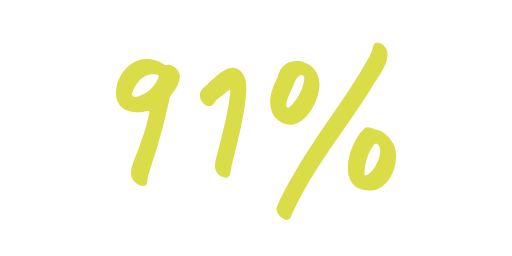
A supplier code of conduct is a promise; a self-audit is a supplier grading its own work. Accreditation is an independent Compliance Officer on the floor, verifying pay records, entitlements and safety conditions against the TCFAI Award and relevant Australian workplace laws, then re-verifying it annually. That’s the distinction 91% of consumers say matters, and the distinction due diligence frameworks are moving toward.
-
Accredited manufacturers currently supply the Australian Defence Force, state police and corrections agencies, hospitals, councils, ASX-listed employers and national uniform contracts. Tell us your categories, volumes and locations and we’ll tell you honestly what local capability exists — and where it doesn’t.
-
Yes — and it’s often the highest-leverage place to apply it. Several accredited businesses supply cut-and-sew, fabric and finished garments into large contract uniform suppliers. You can require accredited manufacturing within your prime supplier’s chain rather than changing prime suppliers.
-
“Rogue” or transactional buying of generic PPE, scrubs and promotional merchandise is a common gap. A short preferred-supplier list of accredited manufacturers, plus the trade mark as the single thing buyers need to look for, makes the compliant option the easiest option.
-
Procure locally manufactured uniforms and PPE wherever possible, and source from suppliers on the Ethical Supplier Register, which lists accredited and registered suppliers. Use the model clauses in the Victorian buyers guide in your tender documentation. Any accredited business Australia-wide can bid for Victorian Government tenders.
Ethical production shouldn't be the exception
Download the factsheet
One page on ethical TCF procurement you can forward to your category lead, CFO or board.
Find a manufacturer
Search 80+ accredited businesses by capability, product category and location.
Tell your suppliers
Not accredited yet? Send them our way — accreditation is open to any business manufacturing TCF in Australia.
Support local


Ethical Clothing Australia acknowledges the Traditional Custodians of Country throughout the lands now known as Australia and recognise and celebrate their connections to land, sea and community. We pay our respect to Elders past and present and extend that respect to all Aboriginal and Torres Strait Islander Peoples today.We are a place free from discrimination, where diversity is celebrated and everyone belongs. We are committed to creating a safe and welcoming space for all.